Unlocking growth: The power of audience segmentati
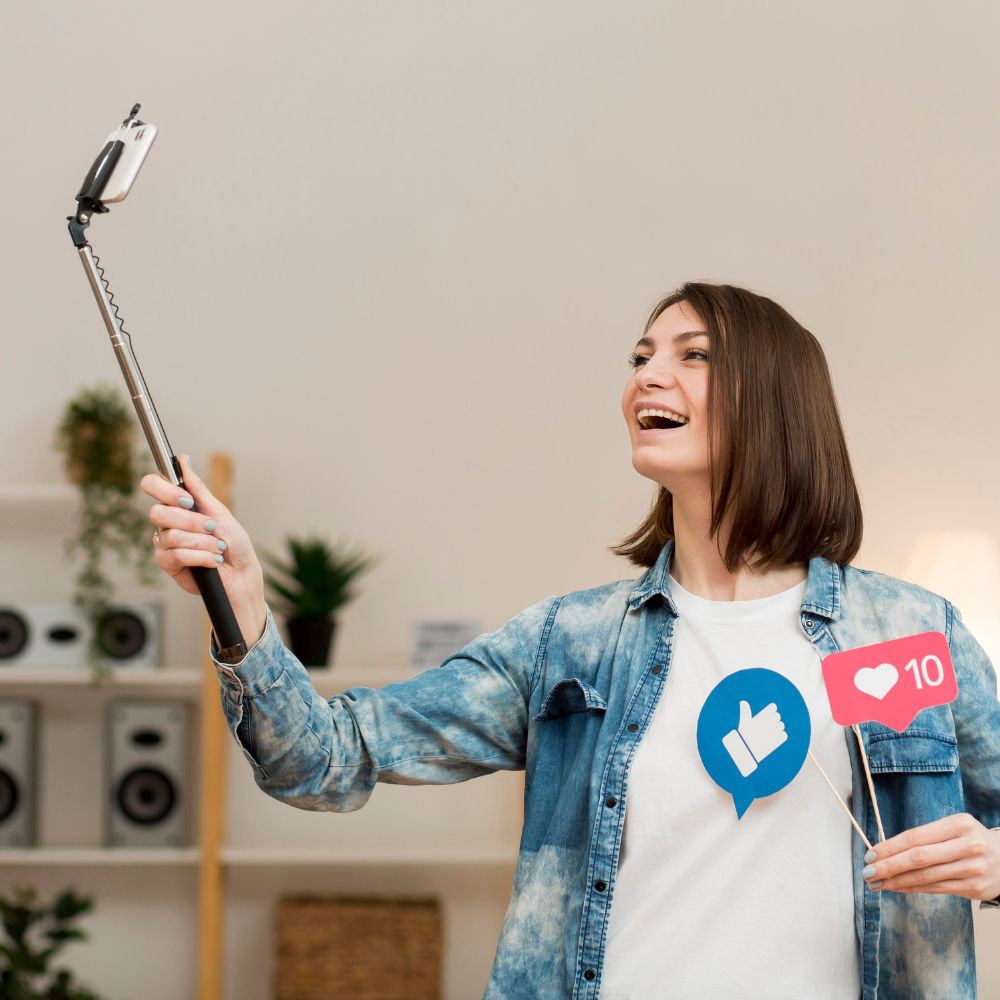
Influencer marketing is more than just a fad; it's one of the most successful methods to create trust, broaden reach, and achieve tangible benefits for your company. But here's the catch: identifying the proper influencers may be overwhelming. With millions of artists across platforms, how can you distinguish true partners from bad fits?
The answer lies in strategy, not guesswork.
First, get clear on your goals. Are you trying to boost brand awareness, drive sales, or grow your social media following? Different influencers serve different purposes. For example, macro-influencers with large audiences can amplify visibility, while micro-influencers often deliver higher engagement and stronger community trust. Knowing your objective will guide every decision that follows.
Next, define your target audience. The best influencer for your brand isn’t necessarily the one with the most followers, it’s the one whose audience matches yours. Look at demographics such as age, location, interests, and behavior. If your brand sells fitness gear, partnering with a lifestyle influencer who occasionally posts workouts may not be as effective as collaborating with a dedicated fitness creator whose audience actively seeks health advice.
Once your foundation is set, start your search where your audience already spends time. Platforms like Instagram, YouTube, TikTok, and LinkedIn each have distinct creator ecosystems. Use hashtags, keyword searches, and competitor analysis to discover influencers in your niche. Pay attention to who is already talking about products similar to yours, these creators are often more open to partnerships.
Engagement matters more than follower count. A creator with 10,000 highly engaged followers can outperform someone with 100,000 passive ones. Check metrics like likes, comments, shares, and the quality of interactions. Are people asking questions? Do they trust the influencer’s recommendations? Authentic engagement is a strong indicator of influence.
Content alignment is another critical factor. Scroll through the influencer’s posts and evaluate their tone, style, and values. Does their content feel authentic? Does it align with your brand’s voice? If your brand promotes sustainability, for instance, partnering with someone who frequently promotes fast fashion could create a disconnect that audiences will notice.
Don’t overlook authenticity. Today’s audiences are savvy, they can spot forced promotions instantly. The best influencers integrate brand collaborations naturally into their content. Look for creators who genuinely use or show interest in products like yours. This not only improves campaign performance but also protects your brand’s credibility.
Once you’ve shortlisted potential influencers, take time to build relationships. Instead of jumping straight into a transactional offer, engage with their content. Comment, share, and show genuine interest. When you finally reach out, personalize your message. Explain why you chose them specifically and how the collaboration can benefit both sides.
Finally, track and evaluate performance. Use metrics such as reach, engagement rate, click-through rate, and conversions to measure success. This data will help you refine your approach and build stronger partnerships over time.
Finding the right influencers isn’t about luck, it’s about alignment, research, and thoughtful outreach. When done correctly, influencer collaborations can transform your brand from just another option into a trusted name within your industry.
In a crowded digital landscape, the right voice can make all the difference. Choose wisely.