Trendjacking explained: How to leverage trends to
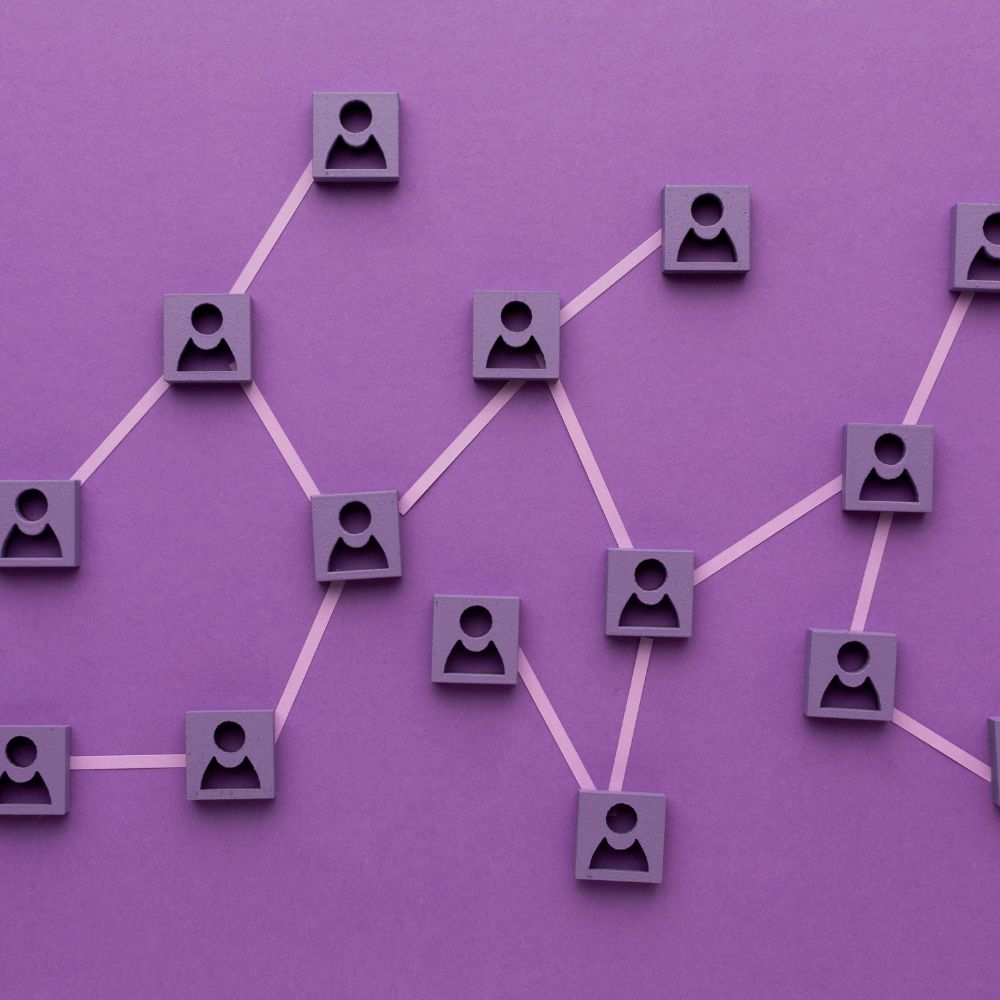
It is no longer efficient to treat every consumer the same in the cutthroat digital world of today. Customers want experiences that are tailored to their requirements, tastes, and habits. This is where audience segmentation comes into play, a powerful marketing strategy that helps businesses divide their audience into smaller, more targeted groups for better engagement and results.
What is Audience Segmentation?
Audience segmentation is the process of categorizing a broad target audience into smaller, more defined groups based on shared characteristics. These characteristics can include demographics, behaviors, interests, or purchasing habits. By understanding these segments, marketers can tailor their messaging, products, and campaigns to resonate more effectively with each group.
Instead of sending one generic message to everyone, segmentation allows brands to deliver the right message to the right people at the right time. This not only improves customer experience but also boosts conversion rates and brand loyalty.
Types of Audience Segmentation
There are several ways marketers can segment their audience. The most common types include:
- Demographic Segmentation
This is one of the simplest and most widely used methods. It involves grouping audiences based on measurable factors such as age, gender, income, education level, occupation, and family status. For example, a luxury brand may target high-income individuals, while a toy company focuses on parents with young children. - Geographic Segmentation
This method divides audiences based on their location, country, region, city, or even climate. Geographic segmentation is particularly useful for businesses that offer location-specific products or services, such as restaurants, retail stores, or travel companies. - Psychographic Segmentation
Psychographic segmentation goes deeper by focusing on lifestyle, values, interests, attitudes, and personality traits. This helps brands connect emotionally with their audience. For instance, a fitness brand might target health-conscious individuals who value wellness and active living. - Behavioral Segmentation
This approach groups customers based on their interactions with a brand, such as purchase history, website activity, brand loyalty, and usage patterns. Behavioral insights are especially valuable because they reflect actual customer actions rather than assumptions.
Best Practices for Effective Audience Segmentation
To make the most of audience segmentation, marketers should follow these proven best practices:
- Use Data-Driven Insights
Rely on accurate data from analytics tools, customer surveys, and CRM systems. The more precise your data, the more effective your segmentation will be. - Avoid Over-Segmentation
While it’s important to be specific, creating too many segments can make campaigns complex and difficult to manage. Focus on segments that are meaningful and actionable. - Create Clear Buyer Personas
Develop detailed profiles for each segment, including their goals, challenges, and preferences. This helps in crafting personalized messages that truly resonate. - Continuously Test and Optimize
Audience preferences and behaviors evolve over time. Regularly test your campaigns and refine your segments to ensure they remain relevant and effective. - Personalize Content and Communication
Use segmentation insights to deliver personalized emails, ads, and content. Personalization increases engagement and builds stronger customer relationships.
Conclusion
Audience segmentation is no longer optional, it’s essential for successful marketing. By understanding and targeting specific groups within your audience, you can create more meaningful connections, improve campaign performance, and drive long-term growth. Businesses that invest in smart segmentation strategies are better positioned to stand out and thrive in an increasingly customer-centric world.