Unlocking buyer intent: How predictive demand gene
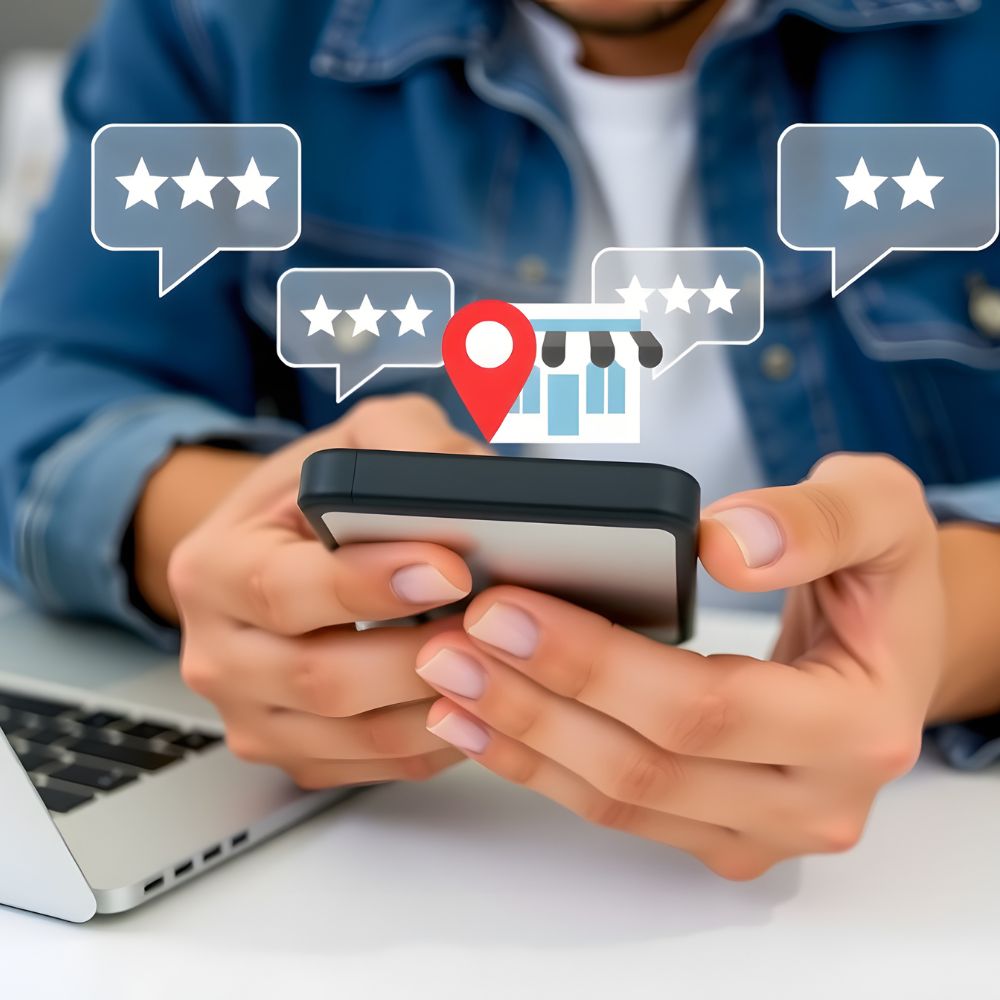
Ratings and reviews are more than just vanity metrics in today's competitive app market; they have a real impact on downloads, user confidence, and long-term success. While genuine reviews offer social proof that your software lives up to expectations, a high rating indicates quality. Improving these numbers, however, is more about building an experience that consumers actually want to talk about than it is about mindlessly pursuing five-star reviews. Here's how to do it successfully.
- Start with an Exceptional User Experience
No strategy can compensate for a poor app experience. Ensure your app is fast, intuitive, and bug-free. Focus on smooth onboarding, clean design, and clear navigation. If users encounter crashes or confusion early, they are far more likely to leave negative reviews, or none at all. Regular testing and updates are essential to keep performance optimized.
- Ask at the Right Moment
Timing is everything when requesting reviews. Don’t prompt users immediately after they install your app. Instead, identify “delight moments”, when users complete a task, achieve a milestone, or experience value. For example, after successfully editing a photo or completing a workout session, users are more inclined to leave positive feedback.
- Make It Easy to Leave Feedback
Reduce friction in the review process. Use in-app prompts that guide users directly to the rating screen without unnecessary steps. Additionally, provide an option for private feedback before redirecting users to public reviews. This allows dissatisfied users to share concerns with you directly instead of posting negative ratings.
- Respond to Reviews, All of Them
Engagement doesn’t stop once a review is posted. Responding to both positive and negative reviews shows users that you care. Thank users for positive feedback and address complaints with empathy and solutions. When users see active developer responses, it builds trust and can even encourage others to update their ratings.
- Continuously Improve Based on Feedback
Reviews are a goldmine of insights. Look for recurring issues or feature requests and prioritize them in your development roadmap. When users see their suggestions implemented, they feel valued, and are more likely to leave positive reviews or update existing ones.
- Incentivize Ethically
While you should never buy fake reviews, you can encourage engagement through ethical incentives. For instance, gamify feedback by offering badges or recognition within the app. The key is to reward participation, not positive ratings specifically, to maintain authenticity and compliance with app store policies.
- Leverage Push Notifications Wisely
Push notifications can remind users to rate your app, but overuse can backfire. Keep messages friendly, personalized, and non-intrusive. A well-crafted notification at the right time can nudge satisfied users to share their experiences.
- Highlight Positive Reviews
Showcase great reviews within your app or marketing materials. When users see others praising your app, it reinforces credibility and encourages them to contribute their own feedback.
- Keep Updating and Communicating
Frequent updates signal that your app is actively maintained. Use release notes to highlight improvements and mention when user feedback has been incorporated. This transparency strengthens your relationship with users and motivates them to stay engaged.
Final Thoughts
Developing deep relationships with your users is more important for increasing app reviews and ratings than taking short methods. You may transform happy customers into ardent supporters by emphasizing experience, timeliness, and sincere interaction. Over time, those stars will tell the tale of a company that listens, changes, and provides value in addition to reflecting the excellence of your app.