The hidden skill behind AI brilliance: Why your pr
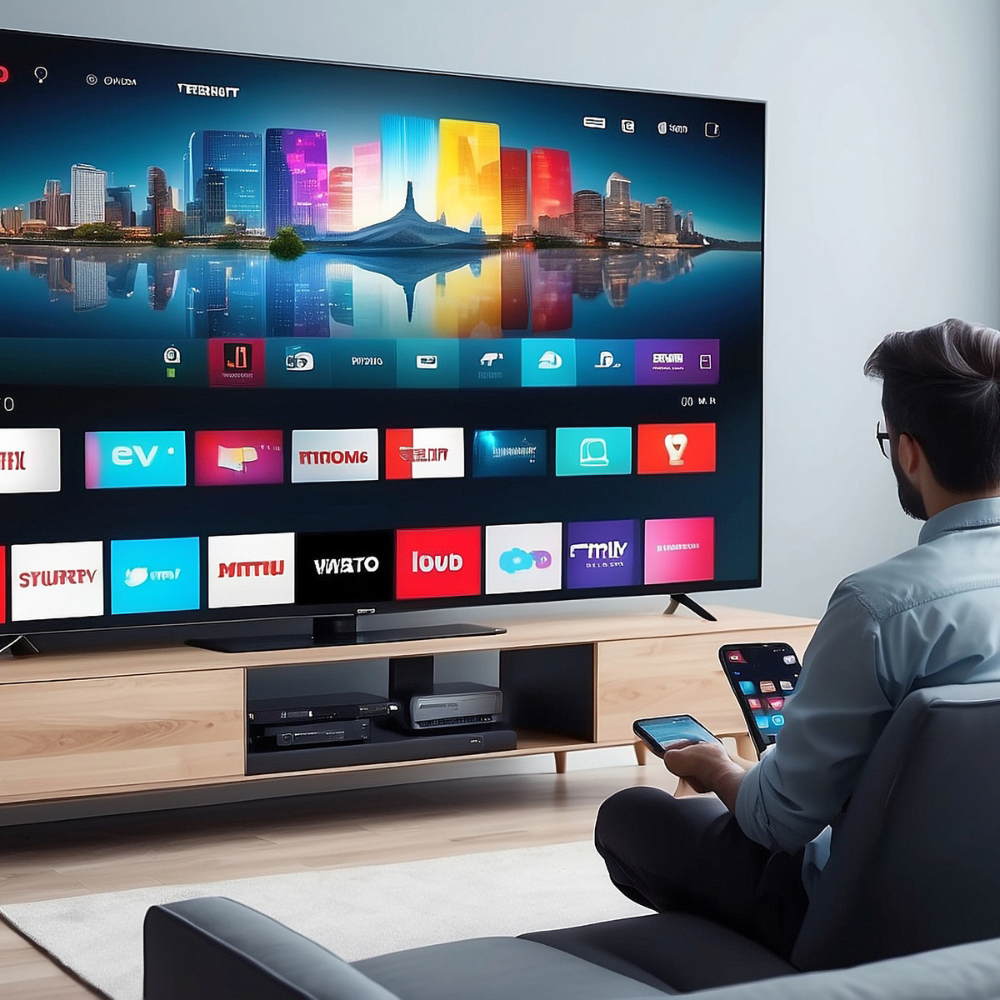
The way individuals consume content has drastically altered in the digital-first world of today. Millions of consumers increasingly use internet-connected devices to stream their preferred TV series, films, and live events; traditional cable TV is no longer the only choice. Connected TV (CTV) advertising has emerged as a potent marketing channel as a result of this change. What precisely is it, though, and why is it becoming so crucial for brands?
Connected TV refers to any television that can connect to the internet and stream digital content. This includes smart TVs with built-in apps, as well as devices like streaming sticks, gaming consoles, and set-top boxes. Platforms such as streaming services and apps deliver content directly to viewers, bypassing traditional broadcast or cable systems. CTV advertising, therefore, involves delivering ads through these internet-enabled TV environments.
One of the biggest advantages of CTV advertising is its ability to combine the impact of traditional TV with the precision of digital marketing. Unlike conventional television ads that are broadcast to a broad audience, CTV ads can be targeted to specific households or viewer segments. Advertisers can use data such as demographics, interests, and viewing behavior to ensure their message reaches the right audience at the right time.
This level of targeting leads to more efficient ad spending. Brands no longer need to rely on guesswork or broad assumptions about who is watching. Instead, they can measure performance in real time, optimize campaigns, and even retarget viewers across devices. For example, someone who sees an ad on their TV might later receive a related ad on their smartphone or laptop, creating a seamless cross-channel experience.
Another key benefit of Connected TV advertising is its non-intrusive format. Most CTV ads are shown before, during, or after streaming content, similar to traditional TV commercials. However, because they are often shorter and more relevant to the viewer, they tend to feel less disruptive. Additionally, many platforms limit the number of ads shown, reducing viewer fatigue and increasing engagement rates.
CTV advertising also offers better measurement and analytics compared to traditional TV. Advertisers can track metrics such as impressions, completion rates, and even actions taken after viewing an ad. This data-driven approach allows for continuous improvement and more informed decision-making. Brands can quickly identify what works and adjust their strategies accordingly.
The growing popularity of streaming services has fueled the rapid expansion of CTV advertising. As more households “cut the cord” and move away from cable subscriptions, advertisers are following their audiences to these digital platforms. This trend is especially strong among younger viewers, who prefer on-demand content and personalized viewing experiences.
However, like any advertising channel, CTV comes with its challenges. Fragmentation is one of the biggest issues, there are many different platforms, devices, and formats to consider. This can make campaign management more complex. Additionally, ensuring brand safety and maintaining consistent measurement standards across platforms can be difficult.
Despite these challenges, the future of Connected TV advertising looks incredibly promising. Advances in technology, such as programmatic buying and improved data integration, are making it easier for advertisers to navigate the ecosystem. As streaming continues to dominate the entertainment landscape, CTV is poised to become a central pillar of modern marketing strategies.
In conclusion, Connected TV advertising represents the evolution of television marketing in the digital age. It offers the reach and storytelling power of traditional TV combined with the targeting and measurement capabilities of digital advertising. For brands looking to connect with today’s audiences in a meaningful and efficient way, CTV is not just an option, it’s a necessity.