The smart way to build high-quality backlinks with
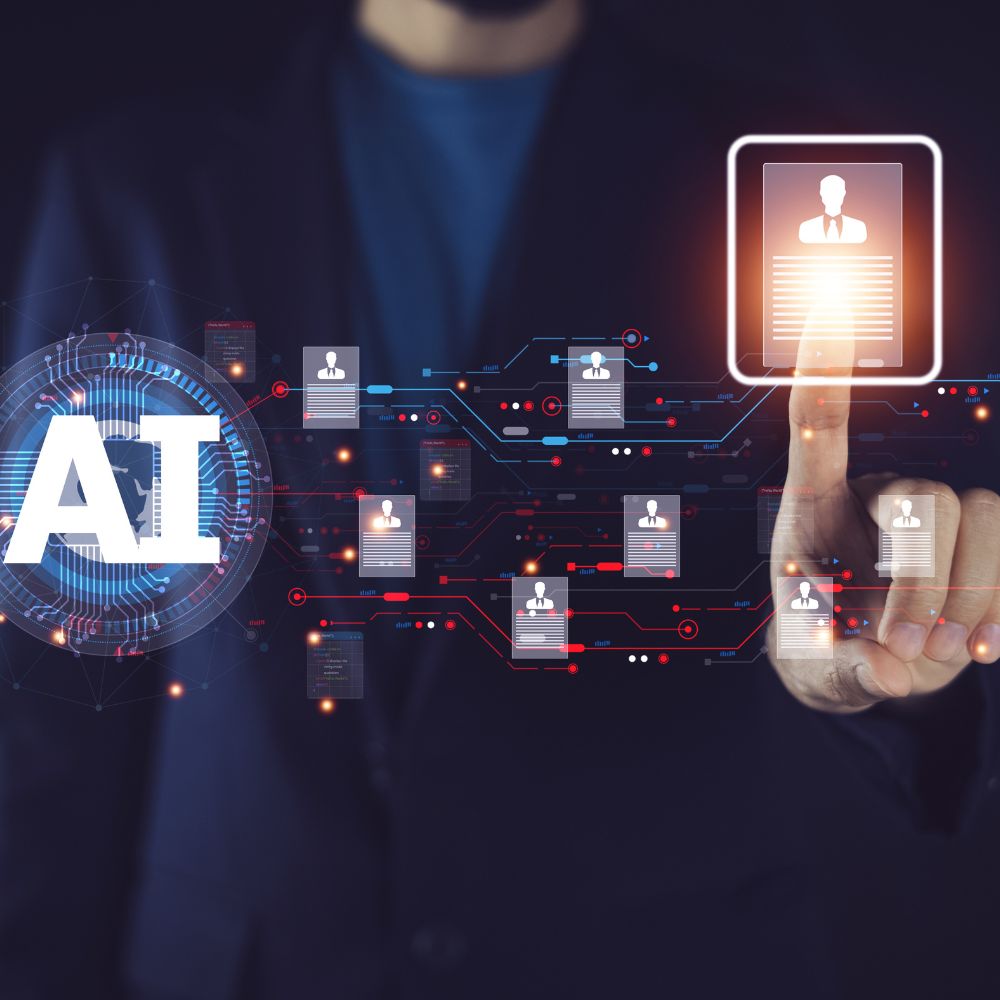
Businesses now have difficulty finding the right buyers rather than just buyers in today's digital-first economy. Sales teams spend hours pursuing prospects, and marketing teams provide thousands of leads, but conversion rates are frequently unsatisfactory. Lead qualification, buyer intent detection, and timing are now the true challenges rather than lead creation.
Here, artificial intelligence (AI) is revolutionizing contemporary marketing and sales. AI is assisting businesses in identifying high-intent consumers more quickly, cutting down on unnecessary effort, and concentrating resources on prospects who have the highest conversion rates. Businesses may now employ data-driven intelligence to engage the appropriate audience at the right time rather than depending only on conjecture.
Traditionally, sales teams spent significant time manually sorting through leads, analyzing spreadsheets, and following up with prospects who may never have been serious buyers in the first place. This process was slow, inefficient, and heavily dependent on human intuition. AI changes this by automating the detection of buying signals.
AI-powered systems can analyze user behavior across websites, emails, social media interactions, search patterns, and CRM data to identify intent. For example, if a prospect repeatedly visits pricing pages, downloads case studies, compares competitors, or engages with product-focused content, AI can recognize these actions as strong indicators of purchase readiness.
This allows sales teams to prioritize leads with the highest conversion potential rather than treating every inquiry equally. As a result, businesses save time, improve efficiency, and close deals faster.
One of AI’s biggest advantages is predictive lead scoring. Instead of assigning leads randomly or based on limited criteria, AI evaluates hundreds of behavioral and demographic data points simultaneously. It learns from previous customer conversions and identifies patterns that humans might overlook.
For example, AI might detect that buyers from a certain industry who attend webinars and request demos within seven days are more likely to become paying customers. These insights help teams focus their energy where it matters most.
AI also improves personalization at scale. Modern buyers expect relevant communication, not generic sales messages. However, manually personalizing outreach for thousands of prospects is nearly impossible. AI enables businesses to create tailored experiences automatically.
From personalized email recommendations to customized website experiences, AI ensures buyers receive content aligned with their interests and stage in the decision-making journey. This creates more meaningful engagement while reducing the workload for marketing and sales teams.
Another critical role of AI is reducing response time. In competitive markets, speed matters. Studies consistently show that businesses responding to leads within minutes significantly increase conversion chances. AI chatbots, automated assistants, and intelligent workflows allow companies to engage prospects instantly, even outside working hours.
Instead of waiting for a sales representative, potential buyers can receive immediate answers, product recommendations, appointment scheduling, or relevant resources. This keeps prospects engaged and prevents businesses from losing opportunities due to delays.
AI is also helping companies eliminate wasted advertising spend. Traditional digital campaigns often target broad audiences with mixed intent levels. AI-driven advertising platforms analyze audience behavior in real time and optimize targeting continuously. This means businesses can focus budgets on users who show stronger buying intent rather than spending heavily on low-quality traffic.
AI offers strategic insights that enhance long-term decision-making, going beyond marketing and sales. Companies can determine whether client behaviors indicate retention or churn, which marketing result in meaningful interaction, and which channels yield the highest-value consumers. Instead of depending on presumptions, these insights enable firms to continually improve their plans.
However, while AI increases efficiency, human connection still matters. Buyers may appreciate automation, but trust is ultimately built through authenticity, expertise, and relationships. The most successful companies use AI to support human decision-making, not replace it.
Businesses that integrate meaningful consumer engagement with AI-driven intelligence will win the future of customer acquisition. Businesses that successfully use AI may cut down on time wastage, increase targeting precision, and improve customer experiences from discovery to conversion.
Businesses benefit greatly from AI's ability to provide clarity in a world full of data and distractions. Businesses may concentrate on the customers who really matter rather than chasing every lead, which can accelerate their growth.