Navigating change: How to anticipate shifts in you
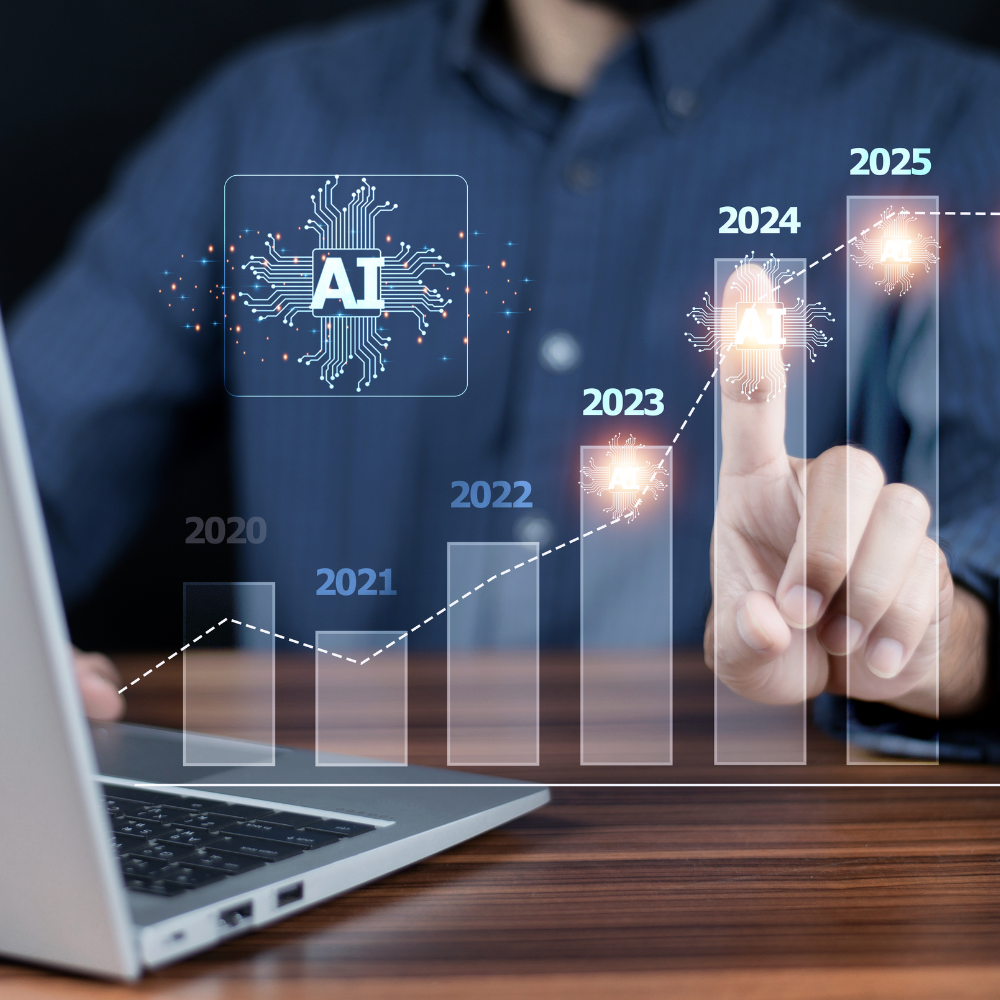
In today's fast-paced digital landscape, businesses are consistently seeking innovative approaches to enhance revenue generation and optimize their go-to-market (GTM) strategies. Artificial Intelligence (AI) — a game-changing technology that is reshaping the way organizations strategize, execute, and thrive in competitive environments. This blog explores the transformative role of AI in crafting effective revenue and GTM strategies, and how it can help businesses achieve sustained growth.
Understanding AI's Impact on Revenue Generation
AI's ability to process vast amounts of data at lightning speed empowers businesses to make more informed decisions. With machine learning algorithms, companies can analyze customer behavior, market trends, and sales performance, allowing them to tailor their marketing efforts accordingly. For instance, predictive analytics can identify potential high-value customers, enabling sales teams to prioritize leads with the highest likelihood of conversion.
Moreover, AI-driven tools help businesses automate routine tasks, such as lead scoring and customer segmentation, freeing up valuable time for sales representatives to focus on high-touch interactions. By leveraging AI, organizations can enhance their sales effectiveness, leading to increased conversion rates and, ultimately, higher revenues.
Enhancing Go-to-Market Strategies
AI plays a pivotal role in streamlining GTM strategies by offering insights that were previously hard to obtain. With AI, companies can gain deep insights into their target audience, assessing their preferences, interests, and pain points. This data is crucial for crafting messaging and service offerings that resonate with customers, thereby improving engagement and driving sales.
For example, advanced natural language processing (NLP) tools analyze customer feedback, reviews, and social media interactions, revealing critical insights about product perception and customer sentiment. This enables businesses to iterate on their offerings and messaging in real time, ensuring that they stay relevant and appealing in a constantly evolving market.
AI also enhances competitive analysis by monitoring competitors' movements and providing companies with strategic insights. Businesses can understand market positioning and adjust their pricing, promotional strategies, and product features based on competitive landscape data. Such agility is crucial for gaining market share and improving overall profitability.
Personalization and Customer Experience
Incorporating AI into marketing strategies allows companies to create hyper-personalized experiences for their customers. AI algorithms can segment audiences based on behavior, demographics, and even psychographics, delivering tailored content and product recommendations. This level of personalization leads to improved customer satisfaction, loyalty, and ultimately increased revenue.
Chatbots and virtual assistants powered by AI elevate the customer experience by providing instant support and guidance. This not only enhances customer service but also reduces churn rates, as customers appreciate responsive, personalized interactions.
Concluding Thoughts
The role of AI in constructing revenue and go-to-market strategies cannot be overstated. By harnessing AI’s capabilities, businesses can make data-driven decisions, streamline processes, and deliver personalized experiences that resonate with their audiences. As we move forward, companies that embrace AI as a core component of their strategic planning will not only gain a significant competitive advantage but also drive sustained revenue growth in an ever-evolving marketplace.
Embracing the AI revolution is not just an option; it's a necessity for businesses aiming to thrive in the modern economy. The question is, are you ready to leverage the power of AI to redefine your revenue and go-to-market strategies?