Unlocking growth: The power of B2B social media le
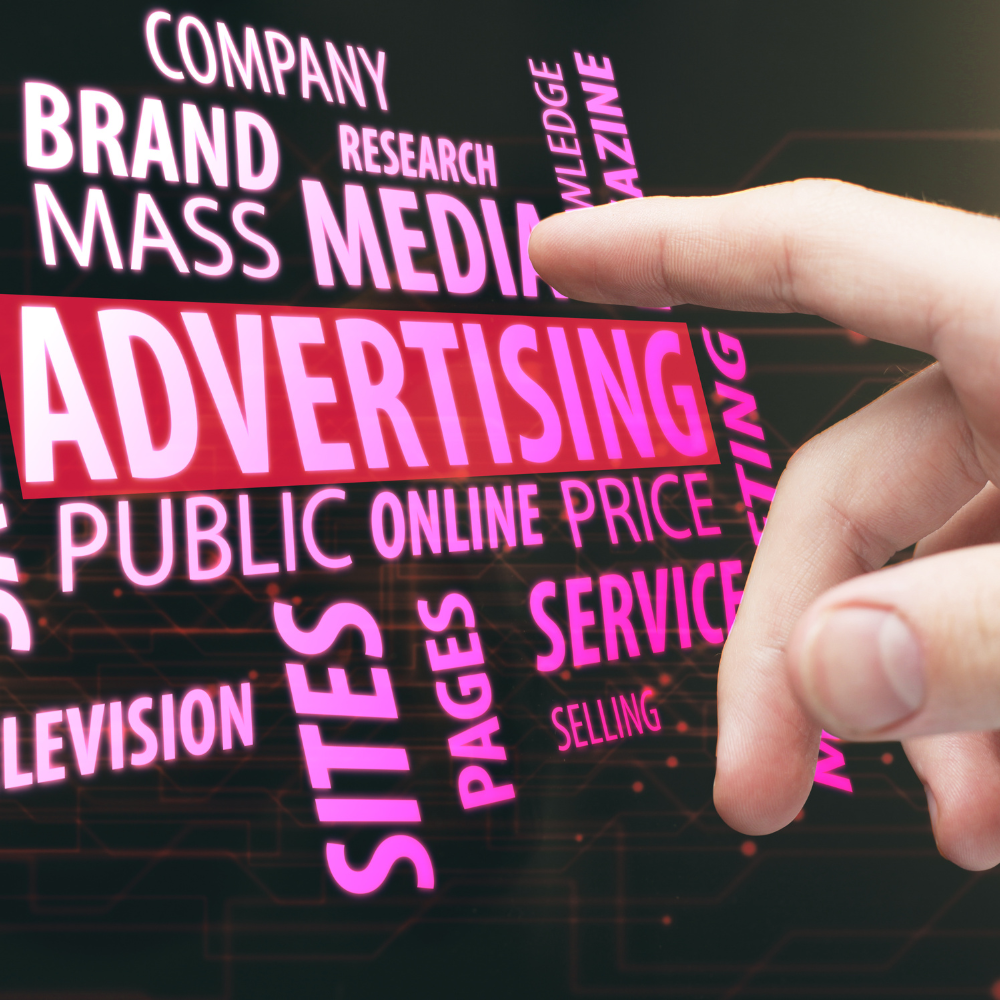
In the ever-evolving world of marketing, the clash between traditional advertising and modern techniques showcases the remarkable adaptability of businesses. While print ads, billboards, and TV commercials once ruled the roost, today’s digital landscape has transformed how brands communicate with consumers. Let’s take a closer look at the key differences, advantages, and the lessons learned as we delve into this fascinating journey through the evolution of advertising.
Traditional Advertising: The Tried-and-True Tactics
Traditional advertising encompasses the conventional methods that dominated the marketing landscape for decades. This includes print media (newspapers and magazines), broadcast television, radio, outdoor ads (billboards), and direct mail. During its heyday, traditional advertising provided brands a method to reach mass audiences effectively and quickly.
One of the main strengths of traditional ads lies in their ability to create a strong emotional connection with the audience. A well-crafted television commercial can evoke powerful feelings and memories, often leaving a lasting impression. The sense of credibility associated with established mediums like newspapers and TV also signifies trustworthiness—a critical element for brand reputation.
However, traditional advertising does have its drawbacks. The costs can be exorbitant, especially for prime-time television spots or full-page ads in leading magazines. Moreover, tracking the effectiveness of these campaigns can be a cumbersome process compared to the metrics available in digital advertising.
The Rise of Modern Advertising: The Digital Wave
With the advent of the internet and social media platforms, modern advertising emerged, revolutionizing how brands engage with consumers. Digital advertising encompasses a broad range of techniques, including social media marketing, search engine optimization (SEO), content marketing, email campaigns, and influencer partnerships.
One of the defining features of modern advertising is its precision. Unlike traditional methods that cast a wide net, digital advertising allows brands to target specific demographics based on user behavior, interests, and geographical locations. This precision ensures that every marketing dollar is accounted for, leading to higher conversion rates.
Furthermore, the interactive nature of digital platforms fosters engagement like never before. Brands can dialogue directly with consumers, gather real-time feedback, and adapt their strategies dynamically. This two-way communication is vital in building long-lasting relationships with customers and fosters brand loyalty.
Bridging the Gap: The Best of Both Worlds
Despite the advantages of each advertising method, the most successful brands recognize the significance of integrating both traditional and modern approaches. A multifaceted strategy creates a comprehensive marketing mix that leverages the strengths of each medium while mitigating their weaknesses.
For example, a television commercial can effectively build brand awareness while a targeted social media campaign reinforces that message, driving engagement and conversions. By analyzing data from both traditional and digital campaigns, brands can gain valuable insights into customer preferences, ultimately refining their overall marketing strategy.
Conclusion: Embracing the Future of Advertising
The evolution from traditional to modern advertising represents not just a shift in tactics but a shift in consumer behavior and expectations. Brands must continue to adapt, recognizing that the best strategies often unite old and new methods. The dynamic interplay between these approaches opens up opportunities for creativity and connection with consumers in an increasingly cluttered market.
In this era of rapid change, businesses can thrive by staying attuned to the latest trends and technologies in advertising. The future of advertising is here, and it’s a blend of tradition and innovation—an ongoing journey that invites brands and consumers to engage like never before.