Why backlink building is secret ingredient behind
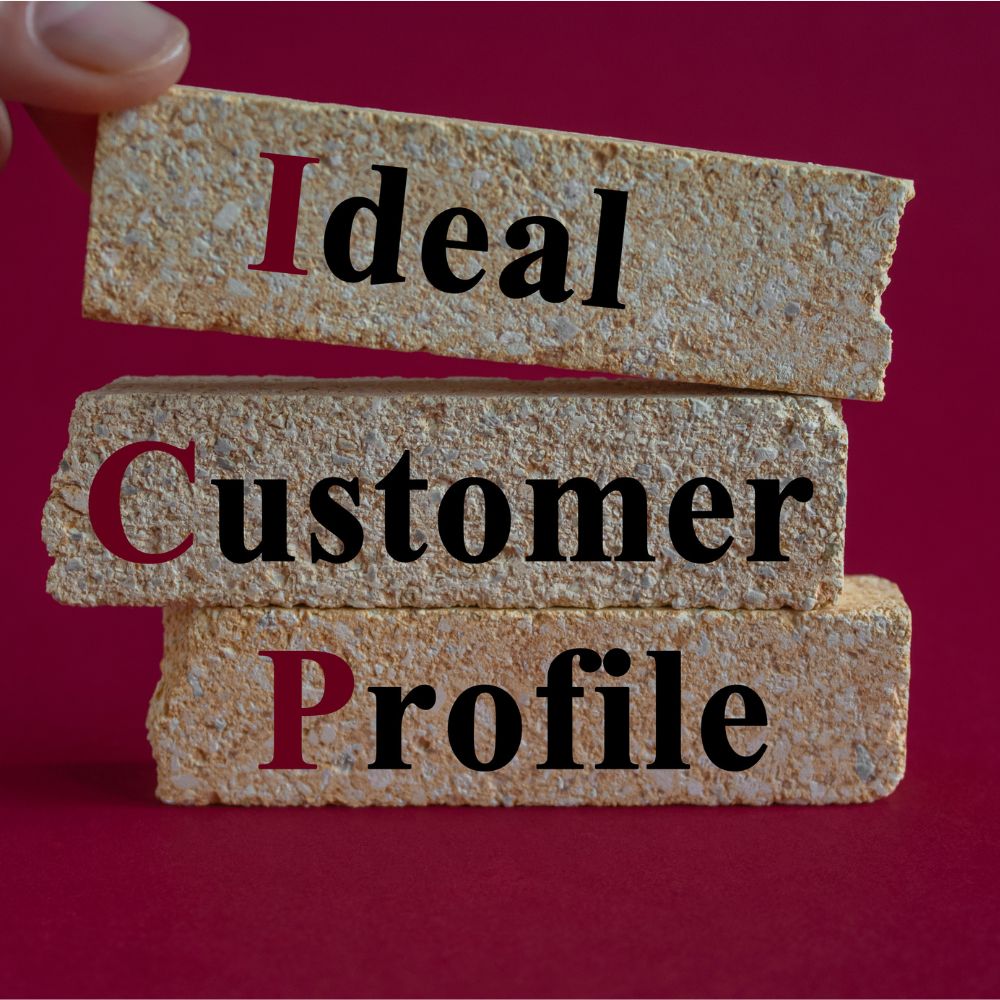
The majority of businesses think they are aware of their Ideal Customer Profile (ICP). It is frequently constructed based on presumptions about job titles, industry, funding stage, and firm size. These elements are a good place to start, but they rarely provide the whole picture. The outcome? Sales staff pursue unsuitable prospects, marketing draws in the incorrect leads, and customer acquisition expenses keep going up.
The basic reality is that you already know what a successful ICP looks like from your top clients. All you have to do is focus on the data.
Why Traditional ICPs Miss the Mark
Many ICPs are developed in the early phases of a firm and remain unmodified for years. As markets expand, goods improve, and consumer demands change, such out-of-date profiles lose effectiveness.
Relying on assumptions rather than data frequently results in targeting firms that appear good on paper but seldom convert. Even worse, organizations may ignore extremely valuable consumer categories simply because they do not meet the initial description.
Your closed-won transactions include answers that assumptions cannot supply.
Start with Your Best Customers
Not every closed deal deserves equal attention. Focus on customers who deliver the highest long-term value. These are the accounts that renew consistently, expand their contracts, refer new business, and require minimal support.
Instead of analyzing every customer, identify the top 20–30% based on metrics like revenue, retention, profitability, and product adoption. These customers reveal the characteristics that truly drive success.
Look Beyond Basic Firmographics
Industry and company size are important, but they rarely explain why customers buy.
Dig deeper into patterns such as:
- Common business challenges
- Buying triggers
- Decision-making processes
- Technology stack
- Growth stage
- Team structure
- Compliance or regulatory requirements
- Urgency behind the purchase
You may discover that your strongest customers aren't defined by industry alone—they share similar operational challenges or strategic priorities.
Analyze the Sales Journey
Winning customers often follow similar buying paths. Study your closed-won opportunities to identify recurring trends.
Ask questions like:
- Which lead sources generate the highest-quality customers?
- Which objections appear most frequently?
- What messaging consistently resonates?
- How long is the average sales cycle?
- Which product features influence purchase decisions?
These insights help refine not only your ICP but also your sales and marketing strategies.
Compare Closed-Won and Closed-Lost Deals
One of the quickest methods to boost your ICP is to compare successful customers against chances that did not convert.
Look for significant variances in areas such as money, urgency, decision-maker engagement, firm maturity, and business goals.
The strongest sign of your ideal client is not always what successful purchasers share, but rather what unsuccessful prospects constantly lack.
Build a Data-Driven ICP
Once you've identified clear patterns, create an updated ICP based on evidence rather than assumptions.
Include attributes such as:
- Business goals
- Primary pain points
- Buying motivations
- Budget readiness
- Organizational maturity
- Technology environment
- Decision-making process
- Success metrics
This richer profile gives both marketing and sales a much clearer picture of who to target.
Keep Your ICP Evolving
Your market will continue to change, and so should your ICP.
Review your closed-won data every quarter or at least twice a year. Monitor shifts in customer behavior, emerging industries, changing buying patterns, and new product use cases. Small adjustments made consistently are far more effective than a complete overhaul every few years.
Final Thoughts
Your ideal customer profile should not be a static document based on guessing. It should be a live strategy driven by actual client outcomes.
The firms who have already chosen your product give the most solid roadmap for future growth. By examining your closed-won clients, recognizing shared success patterns, and constantly optimizing your ICP, you can attract better-qualified prospects, reduce sales cycles, and increase conversion rates.
When your ICP is based on real-world facts rather than assumptions, every marketing effort, sales discussion, and customer acquisition decision becomes more focused, relevant, and intelligent. Your next great customer will most likely appear quite similar to your previous successful one—all you have to do is let the statistics lead the way.